


Briefings on estate operations, vendor oversight, household risk reduction, and the business of running a home well.
The Estate Journal
The Estate Journal is where we share observations on property oversight, maintenance planning, vendor management, operational discipline, and the quieter mechanics of keeping a significant home organized, protected, and easier to run.

.jpg)
Vendor Oversight Is a Management Function, Not a Task
Vendor Oversight
Most properties rely on a network of external vendors—landscapers, technicians, cleaners, and specialists. However, simply hiring vendors does not guarantee quality outcomes. Oversight is what transforms service into reliability. This includes setting clear expectations, documenting scope, and establishing performance standards. It also requires periodic review—ensuring that work is completed properly and that standards do not decline over time. Without oversight, even experienced vendors can drift into inconsistency. A structured approach to vendor management creates accountability. It reduces the need for constant intervention and ensures that the property is maintained to a consistent standard.
Read More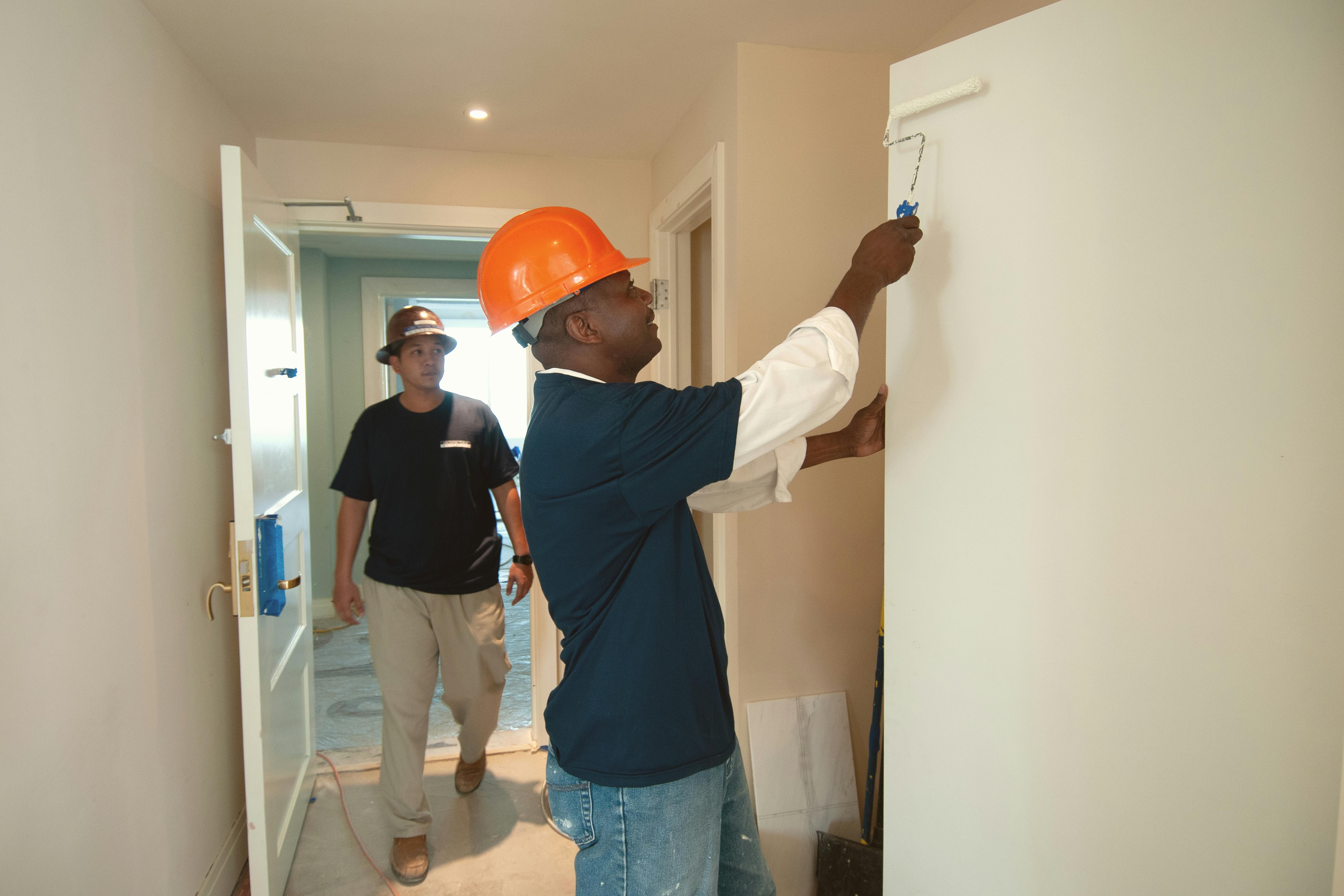
The Hidden Cost of Deferred Maintenance
Maintenance
Deferred maintenance is one of the most common—and most expensive—mistakes in property oversight. What begins as a minor issue—a small leak, an aging system, a neglected inspection—often evolves into a larger, more disruptive problem. Costs multiply, timelines extend, and the inconvenience grows. Effective maintenance is proactive, not reactive. It requires a structured calendar, regular inspections, and a clear understanding of lifecycle timelines for major systems. Homeowners who invest in preventative care are not overspending—they are protecting the long-term value and performance of their property. In practice, this means budgeting for maintenance before it becomes urgent and treating upkeep as an essential operational function rather than an optional expense.
Read More
Operational Discipline Starts at the Property Level
Operations
Operational discipline is rarely visible, but it is always felt. The difference between a home that runs smoothly and one that constantly demands attention often comes down to structure. At the property level, discipline begins with clarity. Roles must be defined, expectations documented, and routines established. Without these, even the most capable staff or vendors operate reactively rather than proactively. A well-managed home runs on systems. Daily, weekly, and seasonal checklists ensure that small issues are addressed before they become expensive problems. Vendor relationships are not just transactional—they are monitored, evaluated, and improved over time. The goal is not rigidity, but consistency. When operations are structured correctly, the property becomes quieter, more predictable, and significantly easier to oversee.
Read More



.svg)



© 2026 Manorlytics. All Rights Reserved.
We operate under strict confidentiality protocols. Client privacy is our highest priority.